
10 Best Money Management Apps in 2026
Last updated May 3rd, 2026.
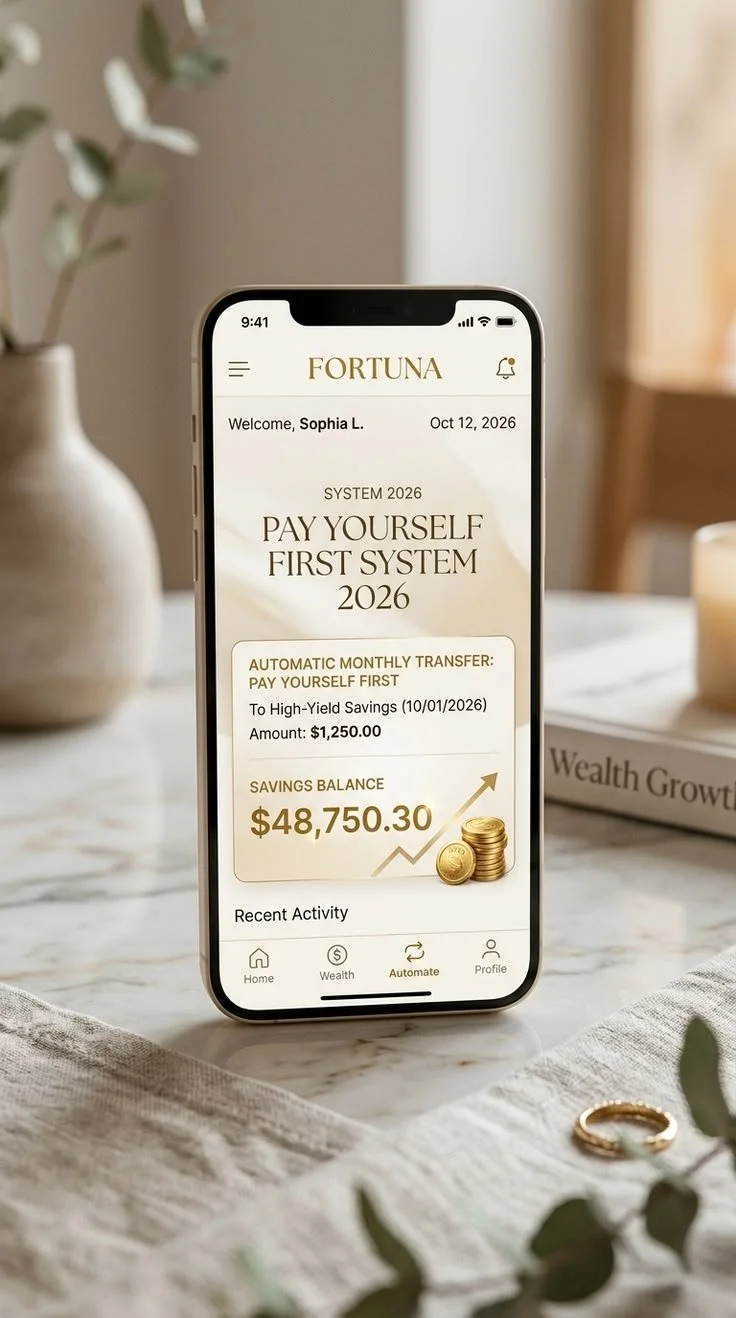
These best money management apps help simplify your finances by tracking spending, automating savings, and supporting long-term wealth building. This guide breaks down the most effective tools to manage, save, and invest your money in 2026.

Technology has made managing money easier than ever—but at the same time, it can feel overwhelming trying to figure out which tools are actually worth using.
There are so many apps out there that promise to help you budget better, save more, and build wealth. But the reality is, you don’t need everything—you just need a few tools that actually work for your lifestyle and help you stay consistent.
Over the years, I’ve tested different apps to manage my money, and these are the ones that have genuinely made a difference in how I budget, save, and invest.
Why the Right Money Apps Can Change Everything
When your money system feels scattered, everything feels harder.
You’re checking multiple accounts, guessing where your money is going, and often feeling like you should be doing more—but without a clear system, it’s hard to follow through.
The right apps don’t just organize your finances—they simplify them.
They help you:
see where your money is going
automate parts of your finances
stay consistent without overthinking everything
And that consistency is what actually builds long-term results, especially when you’re working on how to build wealth in a way that feels sustainable.

The 10 Best Money Management Apps (That I Actually Use)
These are the tools that have helped me create a system that feels simple, clear, and easy to maintain. Note: I am a Canadian resident, and so the majority of the apps are Canadian-focused, but I do mention U.S. alternatives, and you can find similar platforms for your country of residency, or comment down below where you reside, and I can help provide recommendations based on your financial goals. Some affiliate links may be provided.
1. Your Main Bank Account (Your Financial Home Base)
Your main checking account is your financial foundation. It’s where your income lands and where your financial system starts.
For me, that was Scotiabank for years. It was simple, reliable, and had perks like Scene points that made everyday spending feel a little more rewarding. As my finances grew, I added a BMO account for business, but having one primary account kept everything grounded.
When choosing your main bank, it’s worth thinking about what actually matters to you—whether that’s convenience, rewards, or accessibility.
2. KOHO (My Go-To Spending + Budgeting Tool)
KOHO isn’t just a prepaid card—it’s one of the easiest ways to stay aware of your spending without needing a complicated system.
What I like about it is that it naturally builds awareness. Instead of manually tracking everything, it shows you patterns in real time, which makes it easier to adjust your habits without overthinking it.
A few features that make it stand out:
cashback on everyday purchases
automated budgeting features
round-up savings that happen in the background
After I’ve covered my essentials and savings, I move my discretionary spending into KOHO so I can stay intentional with how I use it.
Download KOHO and receive 3 free months, get access to the KOHO Everything Plan. A premium, all-inclusive prepaid Mastercard subscription ($22/month or $177/year) offering maximum rewards and high-interest savings. It features 3.5% interest on the entire balance, 2% cash back on groceries, transportation, and dining, and 0.5% on other purchases, plus no foreign exchange fees.
3. Round-Up Apps (Easy Entry Into Investing)
Round-up apps like KOHO and Acorns (for U.S. users) or similar tools make saving and investing feel almost effortless.
Every time you make a purchase, the app rounds it up and invests the difference. It’s a small amount, but over time, it adds up.
I always think of this as a “low-pressure” way to start investing. It’s not meant to replace long-term investing, but it’s a great way to build the habit.
4. High-Interest Savings Accounts (Let Your Money Work)
One of the simplest shifts you can make is moving your money into an account that actually earns interest.
I personally use EQ Bank, and the difference is noticeable over time. Instead of your money just sitting there, it’s quietly growing in the background.
Whether you’re saving for an emergency fund or something specific, a high-interest savings account helps you stay aligned with your goals. Sign up with EQ Bank today and earn a $20 referral bonus when you make the qualifying deposit, using my referral code.
5. Wealthsimple (For Passive Investing)
Wealthsimple is one of the easiest ways to start investing if you don’t want to manage everything yourself.
It’s designed to be simple, with low fees and a hands-off approach. You can set it up, contribute regularly, and let it do the work.
If you’re newer to investing, this is one of the most approachable ways to start building long-term wealth.
Sign up today and get a $25 referral bonus.
6. Wealthsimple Trade (For More Control)
If you want more control over your investments, Wealthsimple Trade gives you the ability to buy stocks and ETFs directly.
It’s a good next step once you feel more comfortable and want to be more hands-on with your money.
7. Qtrade / Questrade (For More Advanced Investing)
For more experienced investors, platforms like Qtrade or Questrade offer more flexibility and options.
I’ve used Qtrade in the past and am transitioning to Questrade for lower fees and access to free ETFs. These platforms give you more control, but they also require a bit more involvement.
8. Credit Cards (When Used Intentionally)
Credit cards can either support your financial goals or work against them—it really depends on how you use them.
I’ve used American Express for travel rewards in the past, and more recently shifted toward cards that offer practical benefits like groceries and miscellaneous shopping, like Neo, which is also an online bank that offers savings, credit, and investment features in one.
The key here isn’t the card—it’s the habit.
If you’re using credit, it should always feel intentional, not reactive. This ties closely into your financial habits for wealth building, because your daily decisions matter more than any one tool.
Sign up for any Neo Credit card today and get rewarded with a $25 welcome bonus* as soon as you’re approved.
9. Credit Score Apps (Staying Aware)
Your credit score is one of those things that’s easy to ignore—until you actually need it.
Apps like Borrowell (or Credit Karma in the U.S.) make it easy to stay aware of your score and track changes over time.
It’s not something you need to check constantly, but having visibility helps you stay proactive.
10. Crypto Platforms (For Exploring New Opportunities)
If you’re curious about crypto, starting small is key.
Apps like Coinbase and Crypto.com give you access to a wider range of digital assets, while you can also purchase crypto via regular investment platforms like Wealthsimple.
This isn’t something you need to rush into, but if it’s part of your financial goals, it can be one piece of a broader strategy.
How to Choose the Right Apps for You
You don’t need all of these.
In fact, using too many tools can make things feel more complicated instead of less.
Start with what you need most right now:
if you need awareness → budgeting/spending apps
if you need growth → investing platforms
if you need structure → savings + automation tools
The goal isn’t to have the “perfect” setup—it’s to have a system you’ll actually use.
Final Thoughts: Keep It Simple and Stay Consistent
At the end of the day, apps are just tools.
They can support you, guide you, and make things easier—but they don’t replace the habits that actually create results.
The real shift happens when you start using your tools consistently, even in small ways.
Because that’s what builds momentum.
And momentum is what builds wealth..
FAQ: Money Management Apps
What are the best apps for money management?
The best apps help you track spending, automate savings, and invest consistently, such as KOHO, Wealthsimple, and high-interest savings platforms.
Do budgeting apps actually work?
Yes, budgeting apps work by increasing awareness of your spending and helping you build consistent financial habits over time.
How many money apps should I use?
It’s best to keep it simple—2 to 4 core apps is usually enough to manage your finances effectively.
Are money apps safe to use?
Most reputable financial apps use strong encryption and security measures, but it’s important to choose trusted platforms and protect your login information.
If you’d like to keep journeying together…
→ Start Here: free tools and reflections to help you feel grounded, clear, and more confident with your money.
→Work With Me: private coaching, strategy sessions, and programs designed to help you build wealth that feels aligned, stable, and sustainable.
→ Subscribe to the Channel: If this resonated, come hang out with me on YouTube where I break this down in real life — the habits, the mindset shifts, and what this actually looks like day-to-day.
→ Or Join My Email List: This is where I share deeper insights, behind-the-scenes thoughts, and the kind of conversations we don’t always have publicly.
