
The Capitalism vs Socialism Debate In Today’s Economy
The older I get, the more I realize the capitalism vs socialism debate is not just an intellectual or political conversation. It’s an emotional one. A human one. It shapes who gets healthcare, who gets housing, who gets rest, who has opportunities, and who is forced into survival mode just to exist. As a wealth coach, I’ve spent years navigating the intersections of money, privilege, inequality, and healing, and honestly, my relationship with capitalism itself has evolved so much over time. There was a period where I hated it. Then I admired aspects of it. And now? I feel deeply conflicted by it.
Over the past few years, I’ve found myself thinking more deeply about wealth than ever before.
Not just personal wealth.
Not just investing.
Not just entrepreneurship.
But wealth as a system.
Who gets access to it.
Who is excluded from it.
Who benefits from economic systems.
Who gets left behind.
And why.
Because the more I’ve worked in financial wellness and wealth education, the more impossible it has become to ignore how deeply our economic systems shape nearly every aspect of our lives.
The capitalism vs socialism debate often gets framed in very black-and-white ways online. People are pressured to choose sides quickly, defend ideologies aggressively, and reduce incredibly complex systems into simple talking points.
But honestly, I think the reality is much more nuanced than that.
I don’t believe capitalism is entirely evil.
And I don’t believe socialism is some perfect utopia either.
What I do believe is this:
Every economic system reflects human values, human flaws, and human priorities.
And right now, I think many people are feeling the emotional consequences of systems that prioritize profit, productivity, and endless growth over collective wellbeing.
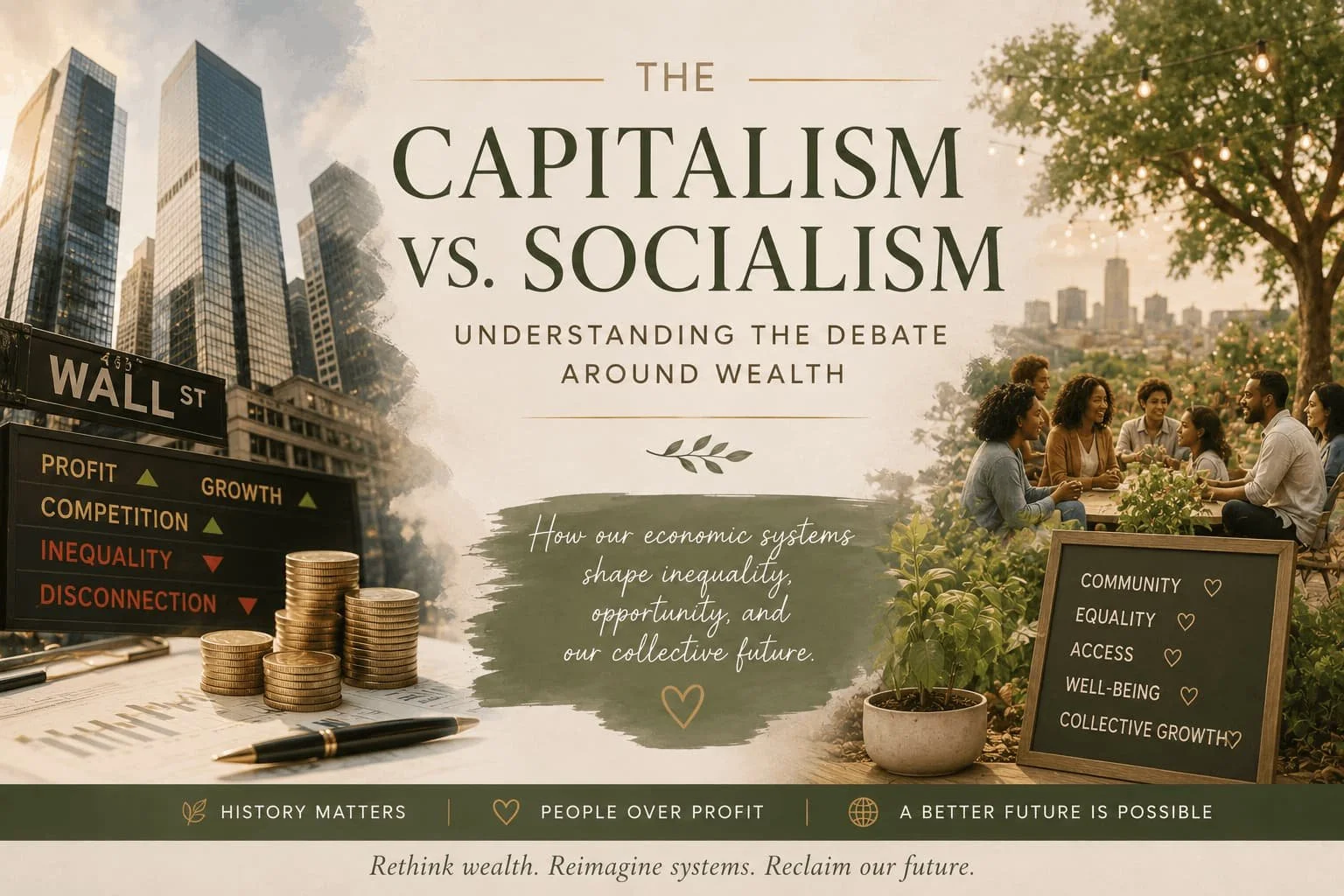
Why the Capitalism vs Socialism Debate Feels So Emotional
I think this conversation feels deeply personal because economic systems are not abstract theories for most people.
They affect whether people can afford groceries.
Whether they can rest.
Whether they can survive medical emergencies.
Whether they can own homes.
Whether they can escape poverty.
Whether they can access education.
Whether they can build wealth at all.
And honestly, that emotional weight matters.
For some people, capitalism represents freedom, innovation, entrepreneurship, creativity, and opportunity. And to be fair, capitalism has absolutely created technological advances, businesses, medical breakthroughs, and economic mobility for many people.
But for others, capitalism feels synonymous with burnout, exploitation, inequality, environmental destruction, and survival mode.
Both perspectives exist for a reason.
Because the flaws of capitalism become much harder to ignore when people are working multiple jobs and still cannot afford housing. When billionaires accumulate more wealth than entire populations. When healthcare becomes inaccessible. When exhaustion becomes normalized. When corporations prioritize quarterly profits over human wellbeing.
The emotional tension within the capitalism vs socialism debate comes from the fact that many people can simultaneously appreciate innovation while still recognizing deep systemic harm.
And honestly?
That’s where I personally land most days.
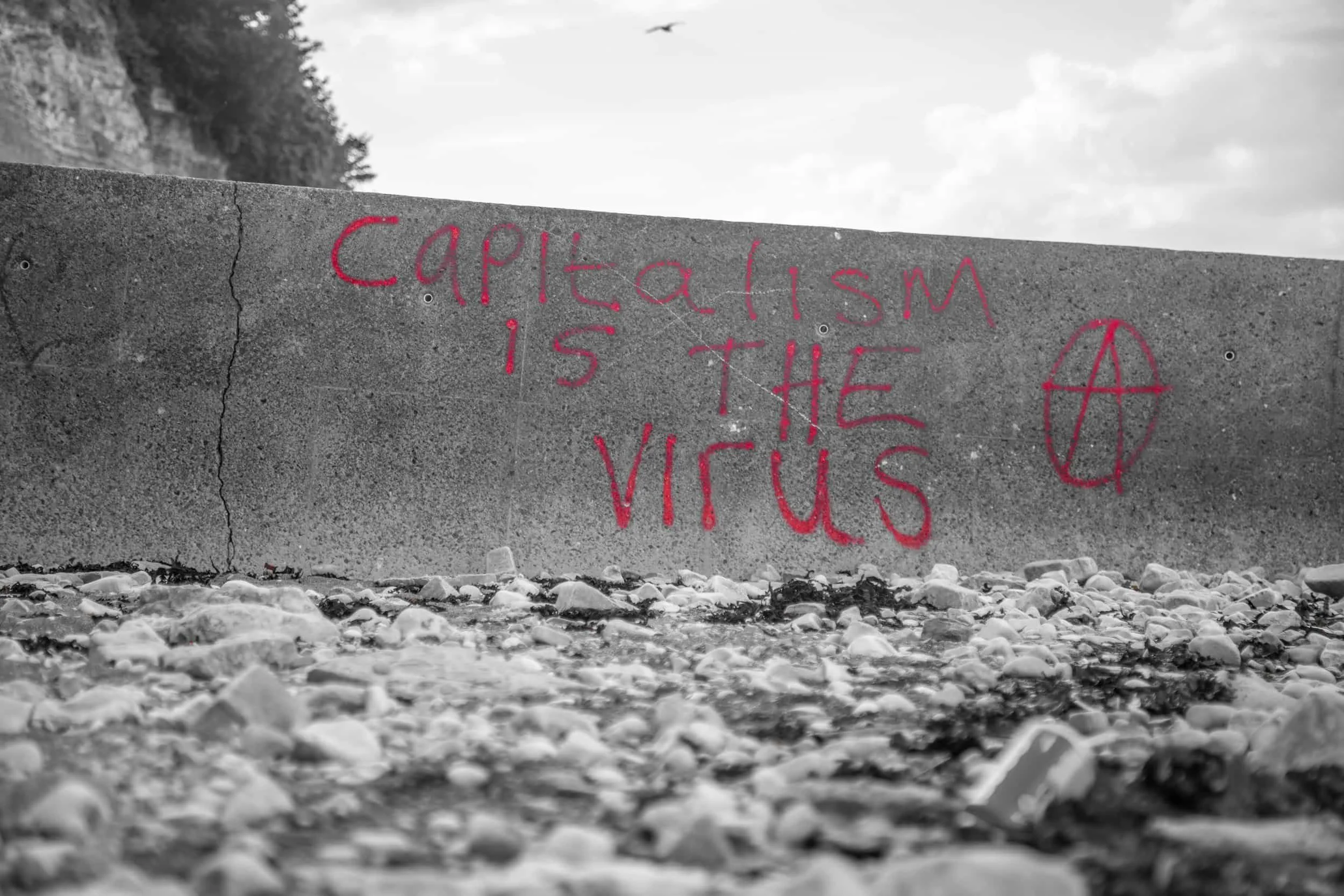
The Flaws of Capitalism
Capitalism, at its core, is built around competition, private ownership, profit, and economic growth.
On paper, it promises opportunity and freedom.
And in many ways, it has encouraged incredible innovation and creativity. People are incentivized to build, invent, create, invest, and solve problems.
But I think the flaws of capitalism appear when profit becomes the highest moral priority above human wellbeing.
Because when growth is valued above everything else, eventually people become treated as resources instead of human beings.
Workers become productivity metrics.
Communities become markets.
Healthcare becomes profit-driven.
Housing becomes investment inventory.
Education becomes inaccessible debt.
Rest becomes laziness.
Human worth becomes tied to output.
And honestly, I think many of us are emotionally exhausted from existing inside systems that constantly ask us to produce more while feeling less connected, less safe, and less supported.
Research from organizations like Oxfam has repeatedly shown that global wealth inequality continues to widen dramatically, with billionaires accumulating enormous wealth while many communities struggle with poverty, food insecurity, and economic instability.
And I think that imbalance creates emotional consequences too.
Because inequality affects:
mental health
stress levels
access to opportunity
physical wellbeing
social trust
community safety
generational wealth
Money is never just money.
It shapes quality of life.
How History Shapes Modern Capitalism
I don’t think we can have an honest conversation about economic systems explained properly without talking about history.
Because modern capitalism did not emerge in a vacuum.
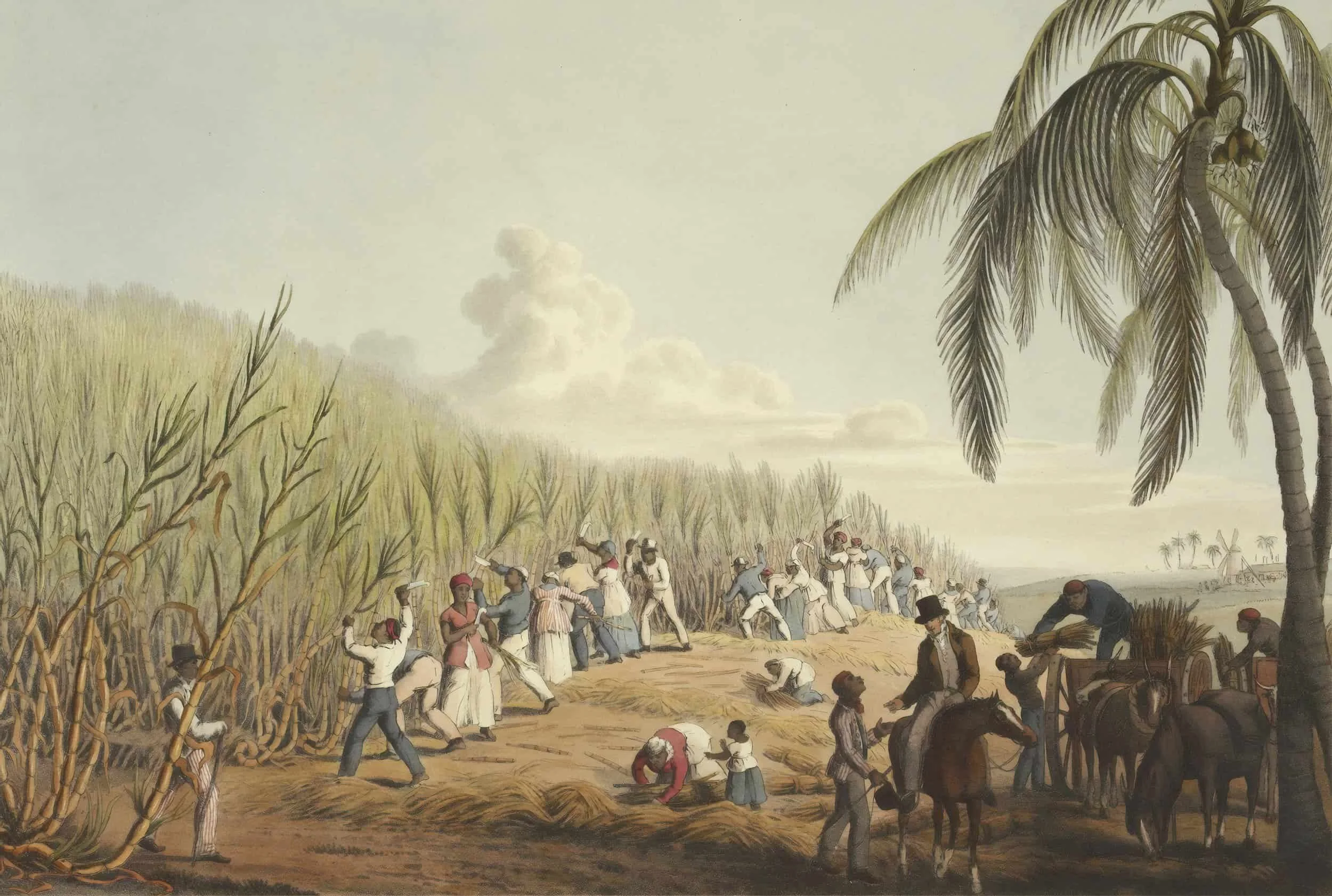
Colonialism.
Slavery.
Exploitation.
Land theft.
Labor extraction.
These systems helped build enormous wealth for nations and corporations while devastating marginalized communities — especially Black and Indigenous communities.
And even today, those historical inequalities continue shaping access to:
education
homeownership
generational wealth
healthcare
business opportunities
financial literacy
political power
That context matters.
Because when people discuss poverty as purely an individual failure, they often ignore the systemic barriers that have existed for generations.
And I think that’s one reason conversations around capitalism vs socialism become so emotionally charged. People are not only debating economics. They are debating fairness, history, survival, dignity, and who deserves access to safety and opportunity.
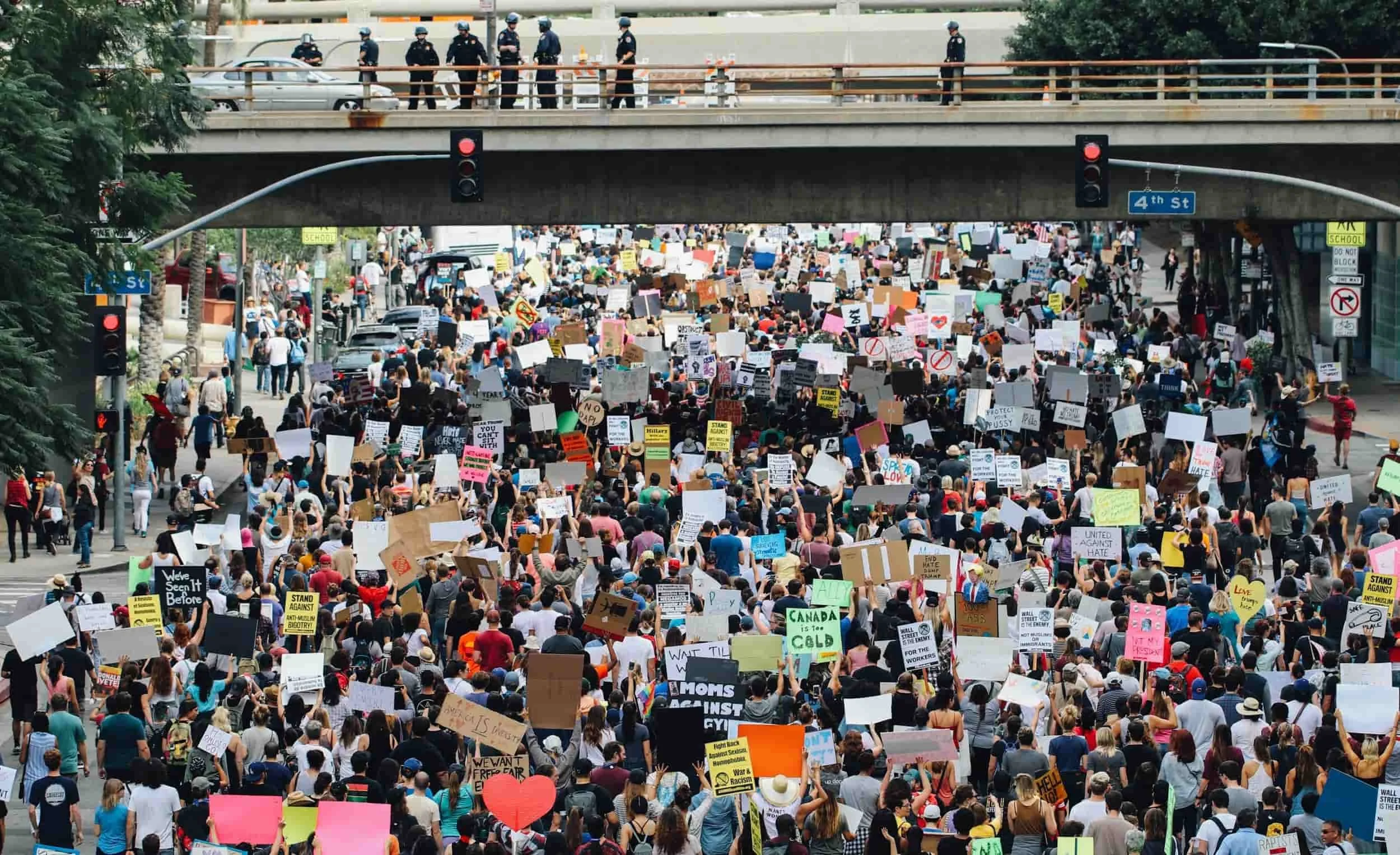
Why Socialism Appeals to So Many People
I think one reason socialism resonates with many people — especially younger generations — is because people are exhausted.
Exhausted by debt.
By burnout.
By unstable housing.
By impossible living costs.
By feeling like no matter how hard they work, security keeps moving further away.
Socialist ideas often center around the belief that certain human needs should not depend entirely on wealth:
healthcare
housing
education
worker protections
food security
And honestly, I understand why that appeals to people.
Because many people are beginning to question whether survival itself should be commodified.
At the same time, critics of socialism often argue that too much government control can reduce innovation, efficiency, entrepreneurship, and personal economic freedom.
And I think those concerns deserve acknowledgment too.
Again, this is why I personally don’t see the capitalism vs socialism debate as something with perfectly clean answers.
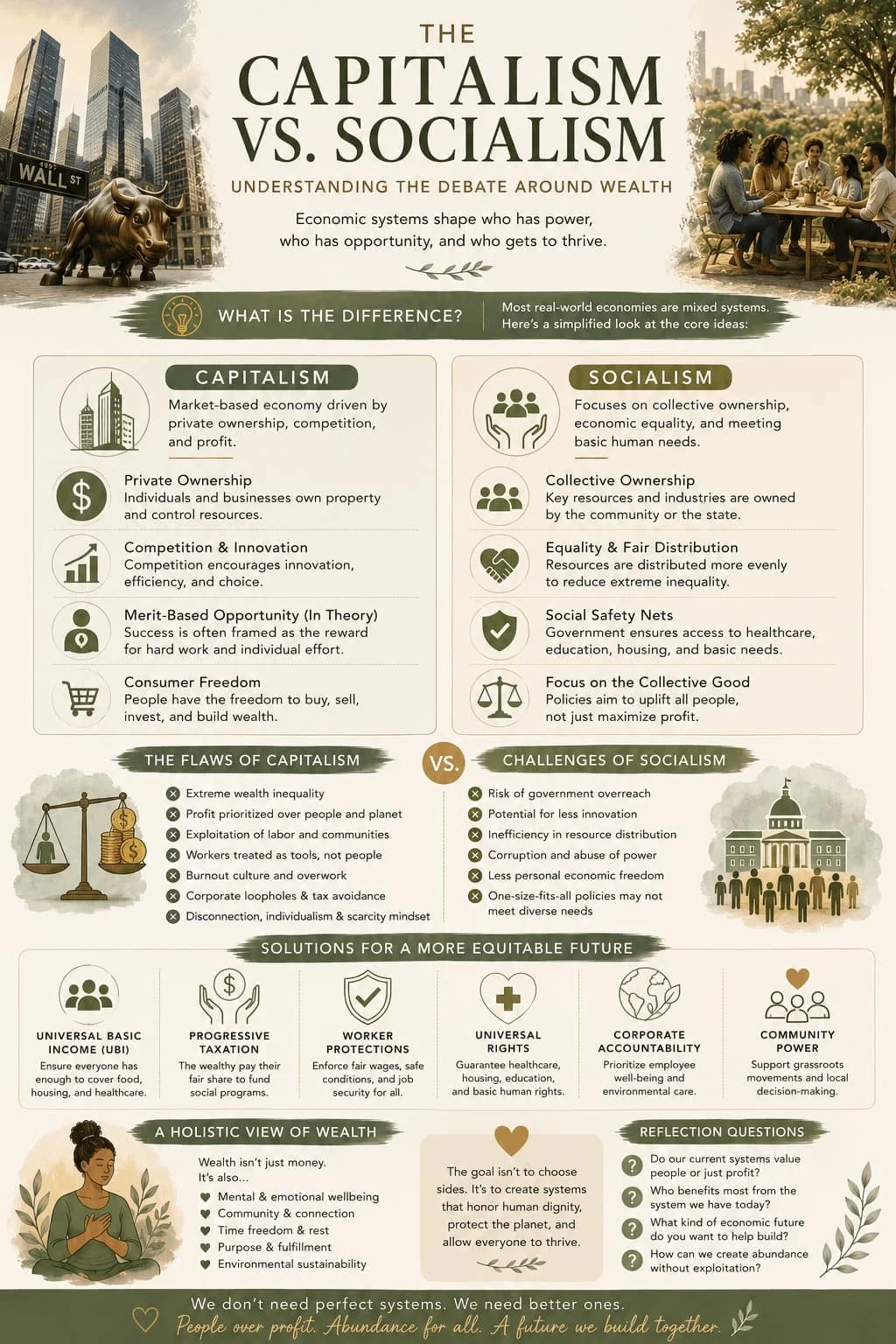
Most real-world economies are already mixed systems.
Even countries considered “capitalist” often rely heavily on:
public healthcare
public education
social programs
labor protections
infrastructure funded collectively
The question is usually not capitalism or socialism in their purest forms.
The real question is:
How do we create economic systems that protect human dignity while still encouraging innovation and opportunity?
Wealth, Power & Disconnection
One thing I keep returning to emotionally is how disconnected many modern systems feel.
Disconnected from community.
Disconnected from nature.
Disconnected from rest.
Disconnected from humanity itself.
I think hyper-individualism has convinced many of us that success is purely personal. That if someone struggles financially, it must mean they failed individually somehow.
But wealth has never been built in isolation.
People build wealth through:
community
networks
mentorship
education
support systems
labor
infrastructure
collective resources
And honestly, I think one of the flaws of capitalism in its current form is how deeply it rewards individual accumulation while often undervaluing collective wellbeing.
Because eventually societies begin treating people as competitors instead of connected human beings.
That creates loneliness too.
Disconnection too.
Burnout too.
Reimagining Wealth Beyond Profit
One thing both capitalism and socialism conversations often miss is the emotional and spiritual side of wealth entirely.
Because wealth is not only about GDP or stock markets.
It’s also:
mental health
emotional safety
community wellbeing
healthcare access
environmental sustainability
work-life balance
meaningful relationships
time freedom
And honestly, I think we need broader conversations around what successful societies actually look like.
Is success endless economic growth while people burn out?
Is success billionaire wealth accumulation while homelessness rises?
Is success constant productivity at the expense of emotional wellbeing?
I don’t think wealth should only be measured financially.
I think healthy societies create conditions where people can live with dignity, connection, safety, creativity, and opportunity.
What I Personally Believe About Economic Systems
I honestly don’t think humans are inherently good or evil.
And I don’t think economic systems are either.
I think systems amplify human values.
Capitalism can encourage innovation, creativity, entrepreneurship, and freedom.
But without accountability, regulation, ethics, and collective care, it can also magnify greed, exploitation, inequality, and environmental destruction.
At the same time, systems that prioritize collective welfare still need accountability too. No system is immune from corruption, imbalance, or abuse of power.
That’s why I think the future probably isn’t about rigid ideological purity.
It’s about balance.
Systems that:
encourage innovation
protect workers
reduce extreme inequality
support mental wellbeing
create access to healthcare and education
value sustainability
allow entrepreneurship
prioritize human dignity
And honestly, I think many people are already craving this shift.
Not because they hate success or wealth.
But because they want wealth to feel more humane.
The Future of Wealth & Collective Wellbeing
The older I get, the less interested I become in conversations about wealth that ignore people entirely.
Because money shapes real lives.
It determines who rests and who survives in exhaustion.
Who gets opportunities and who gets barriers.
Who heals and who struggles alone.
Who has freedom and who remains trapped in survival mode.
That’s why the capitalism vs socialism debate matters so much emotionally.
At its core, this conversation is really about one deeper question:
What kind of world are we trying to create together?
A world built entirely around competition?
Or one that still leaves room for care, community, empathy, and collective wellbeing too?
I don’t think we need perfect answers immediately.
But I do think we need more honest conversations.
Because wealth should not only belong to the few.
And wellbeing should not be treated like a luxury.
Further Reading
Continue Exploring Wealth, Systems & Collective Wellbeing
If you're questioning modern wealth systems, inequality, and what holistic wealth really means, these articles may support you further.
Free Resource To Share
If conversations around capitalism, inequality, and wealth systems have made you feel overwhelmed or disconnected from your own financial journey, my Financial Clarity Webinar may help ground some of those emotions into practical next steps.
I think it’s important to hold both realities at once: yes, systemic barriers exist — and yes, financial education still matters deeply. Understanding budgeting, saving, investing, and wealth-building tools can help you create more stability and autonomy within systems that are often imperfect.
Product Recommendation
A huge part of understanding economic systems explained more deeply has come from reading and listening to different perspectives, histories, philosophies, and critiques around wealth, inequality, psychology, and power. Spotify has honestly been one of my favorite ways to explore these conversations while walking, traveling, or slowing down away from social media noise.
Books and podcasts have expanded my perspective tremendously — not because they gave me all the answers, but because they helped me ask better questions.
FAQs
What is the capitalism vs socialism debate?
The capitalism vs socialism debate centers around how economies should distribute wealth, resources, ownership, and opportunity. Capitalism prioritizes private ownership and market competition, while socialism focuses more on collective welfare, public services, and reducing inequality.
What are the flaws of capitalism?
Some common criticisms of capitalism include wealth inequality, worker exploitation, burnout culture, environmental harm, corporate greed, and unequal access to healthcare, housing, and education.
Is capitalism entirely bad?
No. Capitalism has contributed to innovation, entrepreneurship, technological advancement, and economic growth. Many critiques focus more on unregulated capitalism and extreme inequality rather than rejecting all market-based systems entirely.
Why does socialism appeal to younger generations?
Many younger people are experiencing rising housing costs, student debt, burnout, unstable employment, and financial insecurity. Socialist ideas around healthcare, education, worker protections, and social safety nets often feel appealing in response to those pressures.
Are there countries that use both capitalism and socialism?
Yes. Most modern economies are mixed systems that combine capitalist markets with socialist-style programs like public healthcare, education, labor protections, and social welfare systems.
How does wealth inequality affect society?
Wealth inequality can impact mental health, social trust, political power, healthcare access, housing stability, education opportunities, and overall quality of life within communities.
What does holistic wealth mean in economic conversations?
Holistic wealth means looking beyond money alone and considering emotional wellbeing, community care, mental health, environmental sustainability, time freedom, and collective wellbeing as part of a healthy society.
